Immerse in Indigenous history
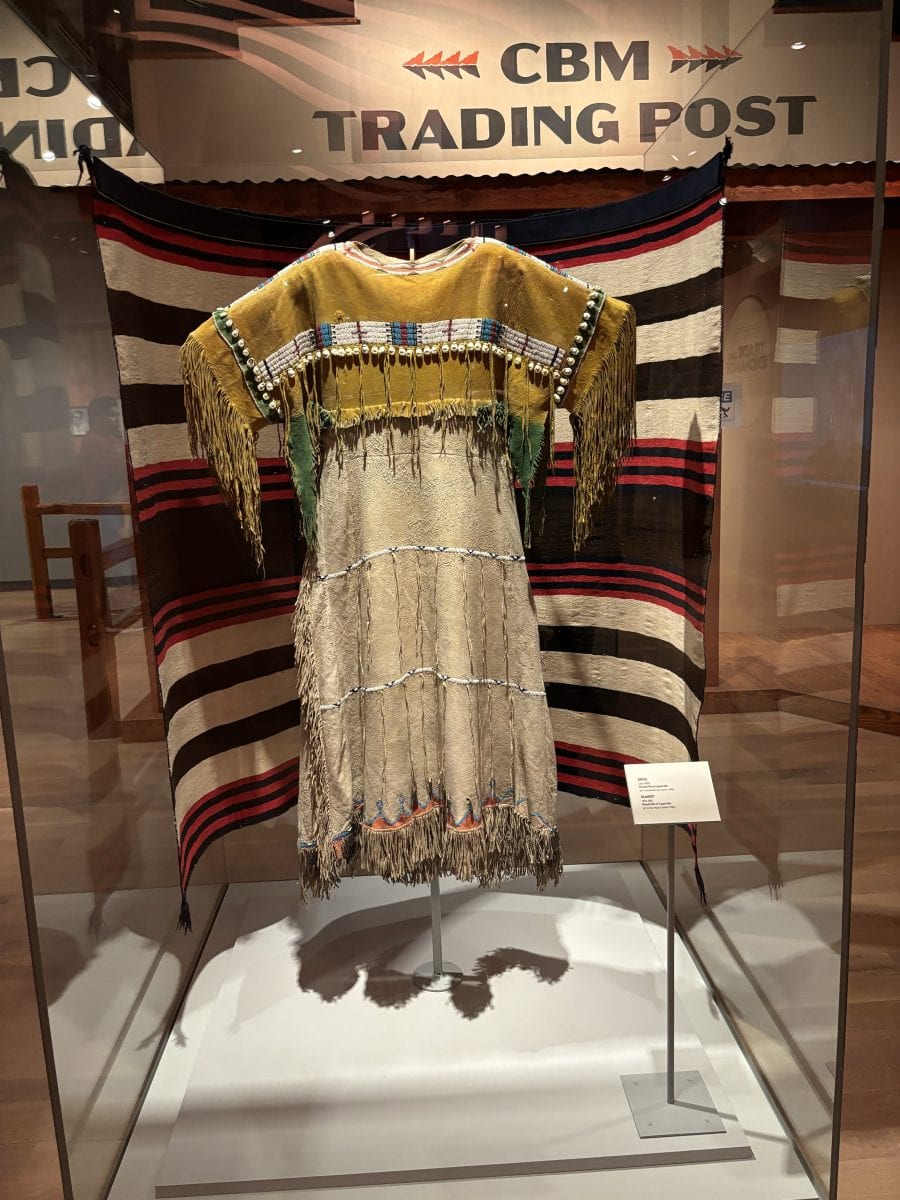
Santa Fe did not disappoint. Other than delicious food and a rustic downtown with tons of art galleries and small stores, it was an opportunity for us to learn so much about Indigenous history. Today's post will be slightly lengthy but I hope educational. And I will try to keep tomorrow's post short as a trade.
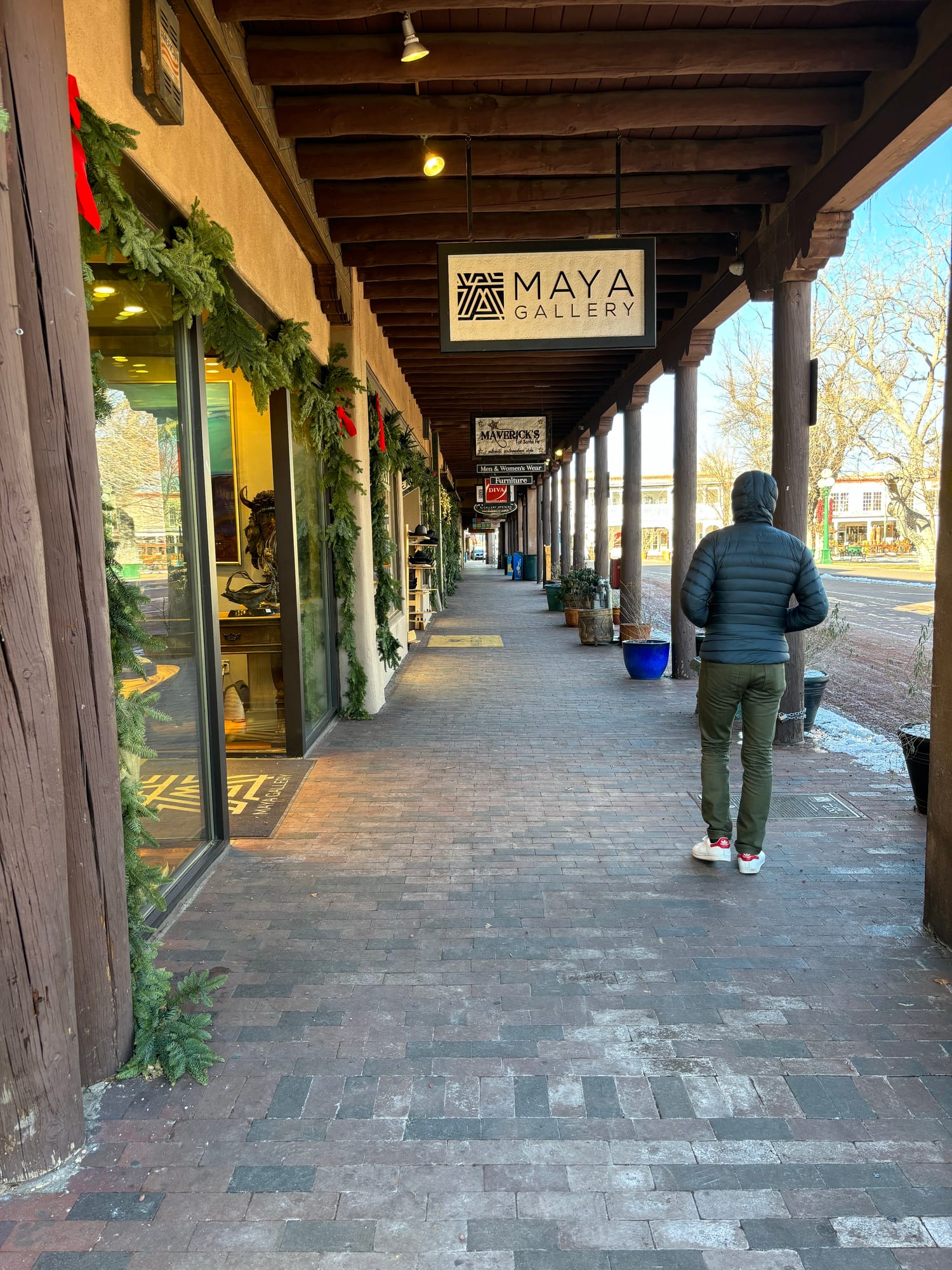
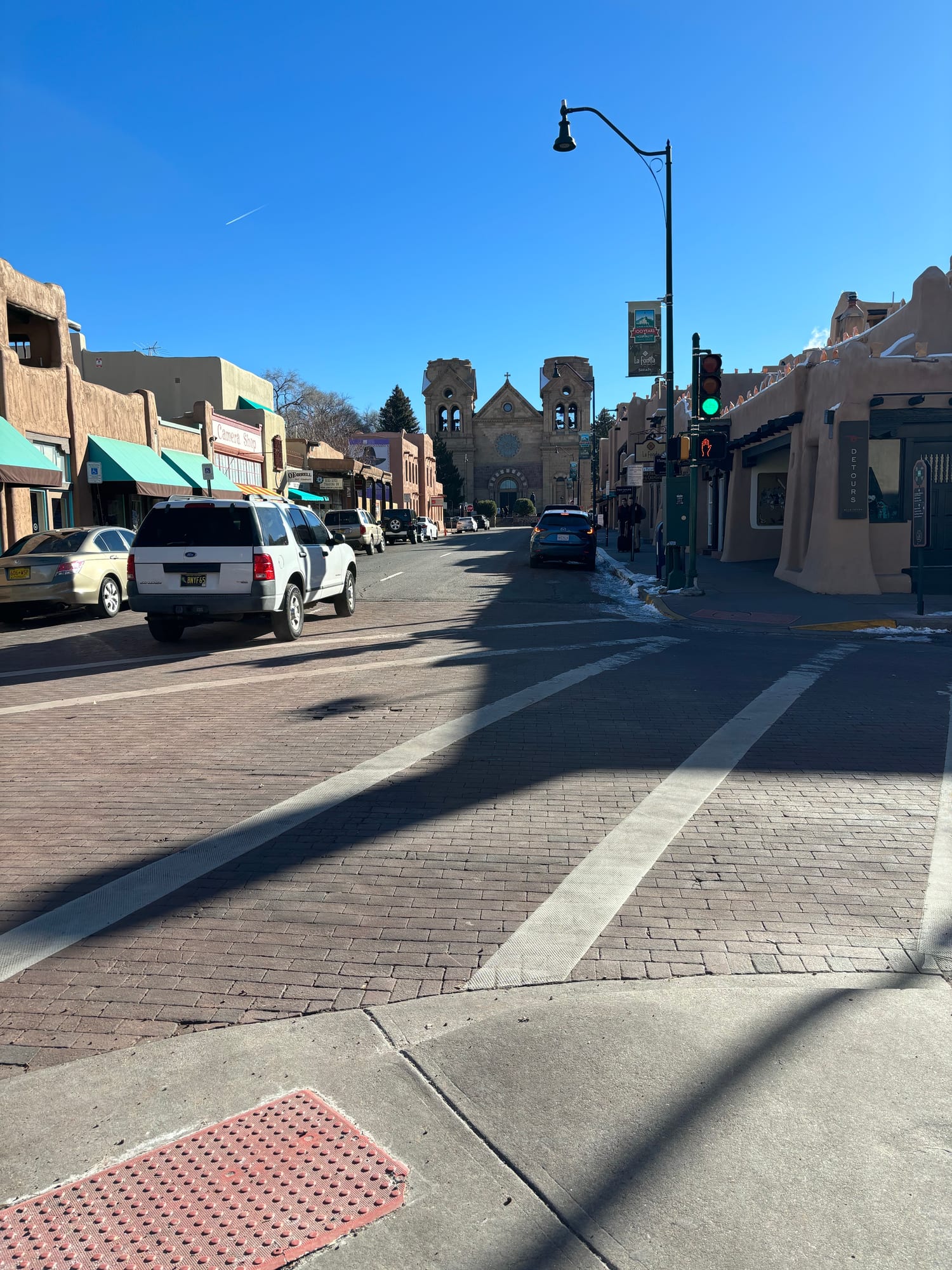
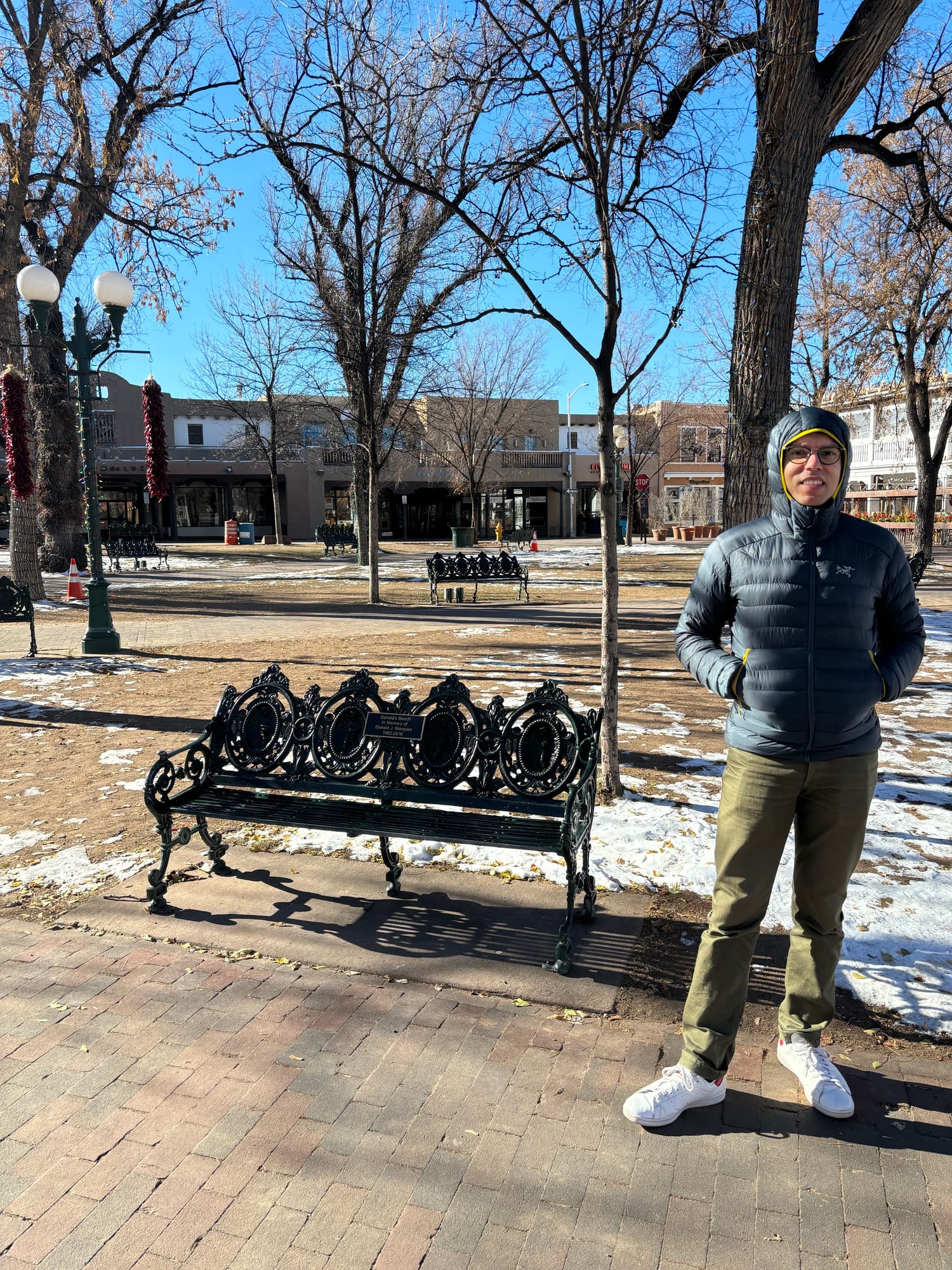
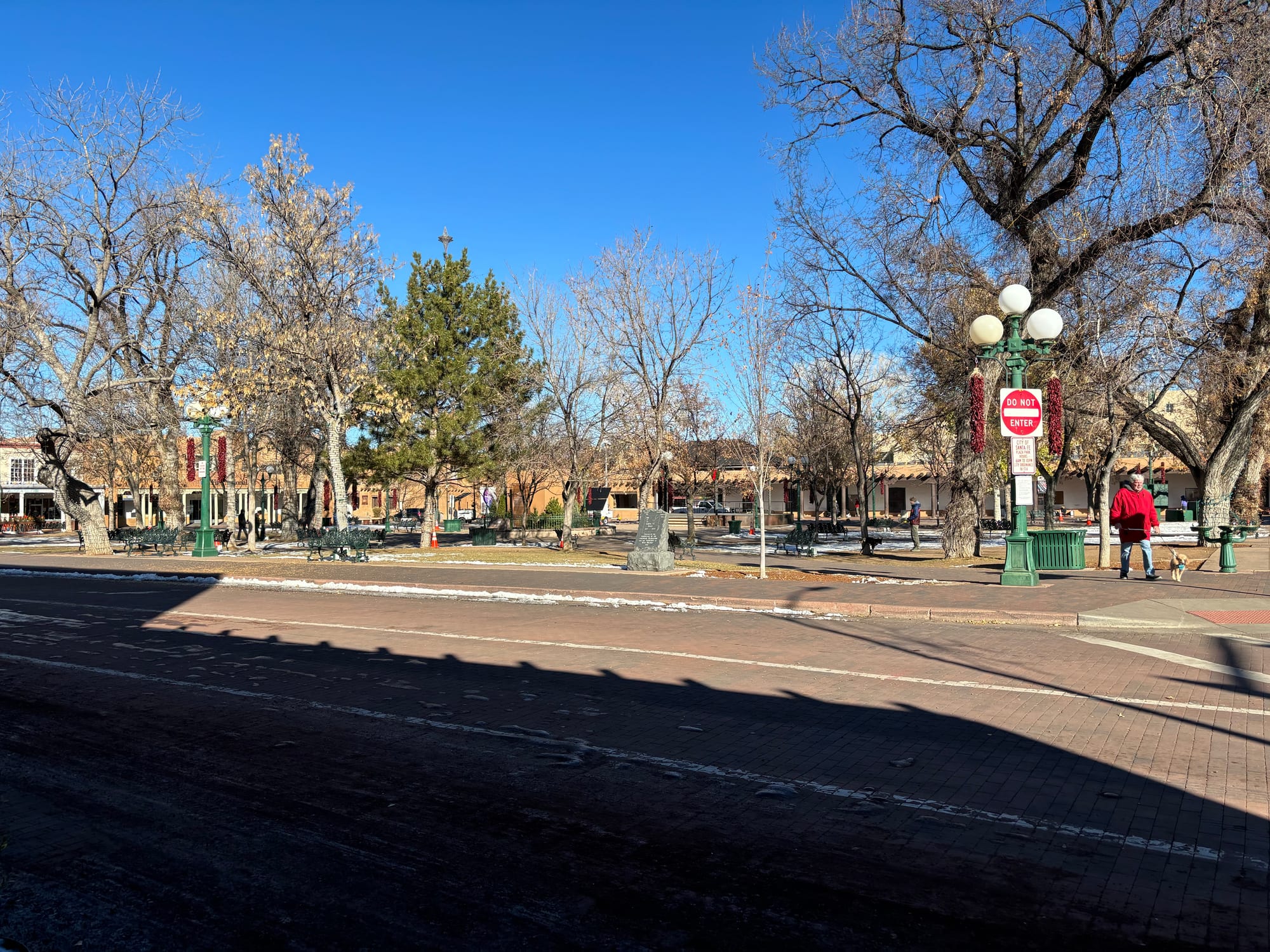
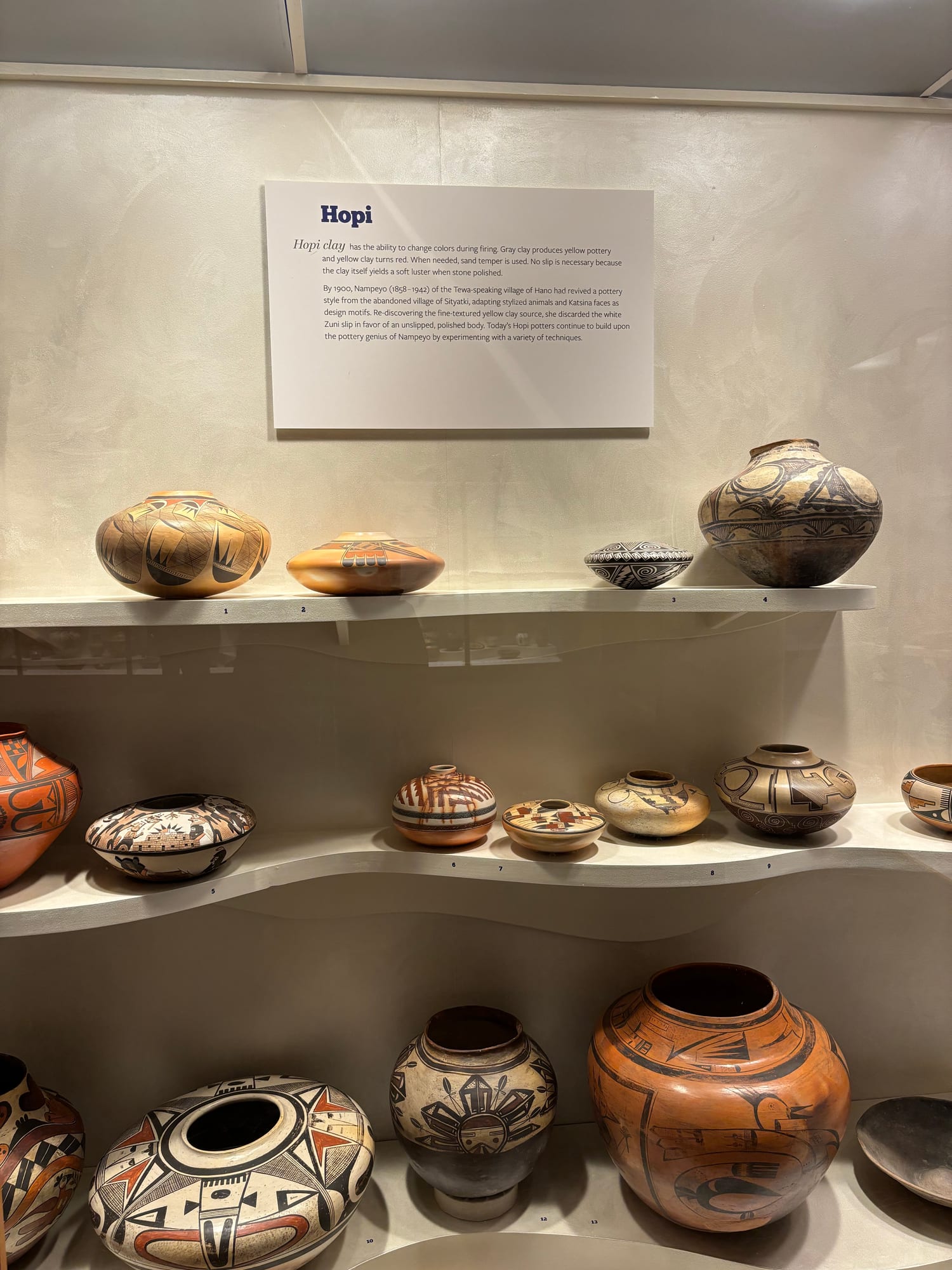
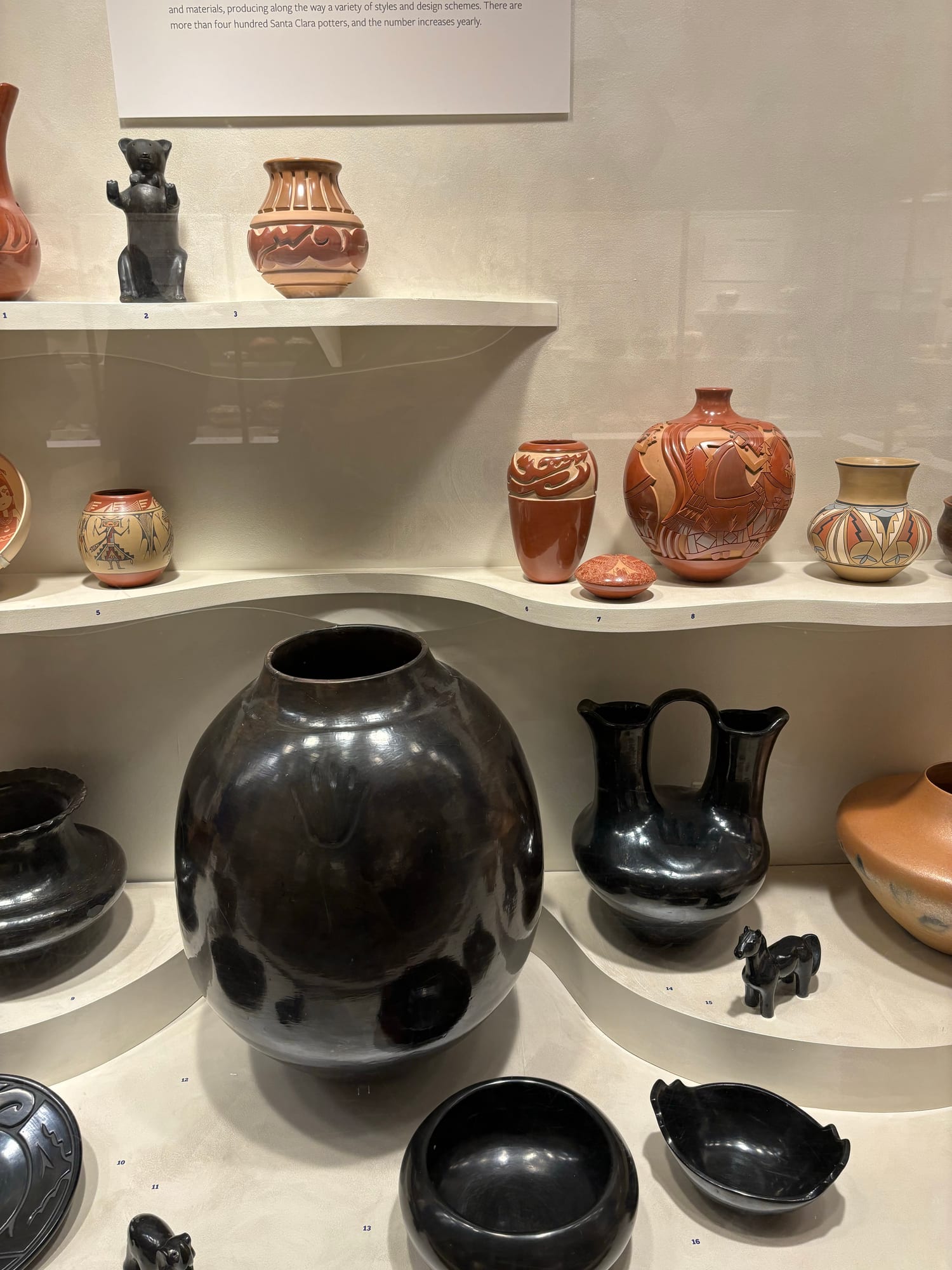
After wandering the streets, we headed over to the Museum of Indian Arts and Culture. Here we were fortunate enough to find a docent who walked us through entire sections. It made the experience so much more educational. We began in the pottery section. Here are some fun learnings:
- Pottery from different indigenous tribes look significantly different due to geologic conditions. For example, in some of the Pueblo tribes, the clay is gray in color. However, in the Hopi tribe, the clay is yellow. Giving the pottery a different hue. The red and black pueblo pots get their color due to the firing process after the pot is made. The first fire results in the red color and a second firing results in the black color.
- There is no word for art in indigenous languages. Pottery and weaving was primarily utilitarian. And languages are not documented. They are carried through generations orally.
- All drawings hold meanings. In the big black storage container in the picture, that is a bear claw impression. The story behind it is that bears have claws so they can dig for water. When indigenous people saw a bear, they did not kill it, they followed the bear to find water. Water has deep meaning for these tribes. The pot with women are corn dancers and the intricate small pot is scratch art where the drawings are scratched using volcanic rock (Italian impressions).
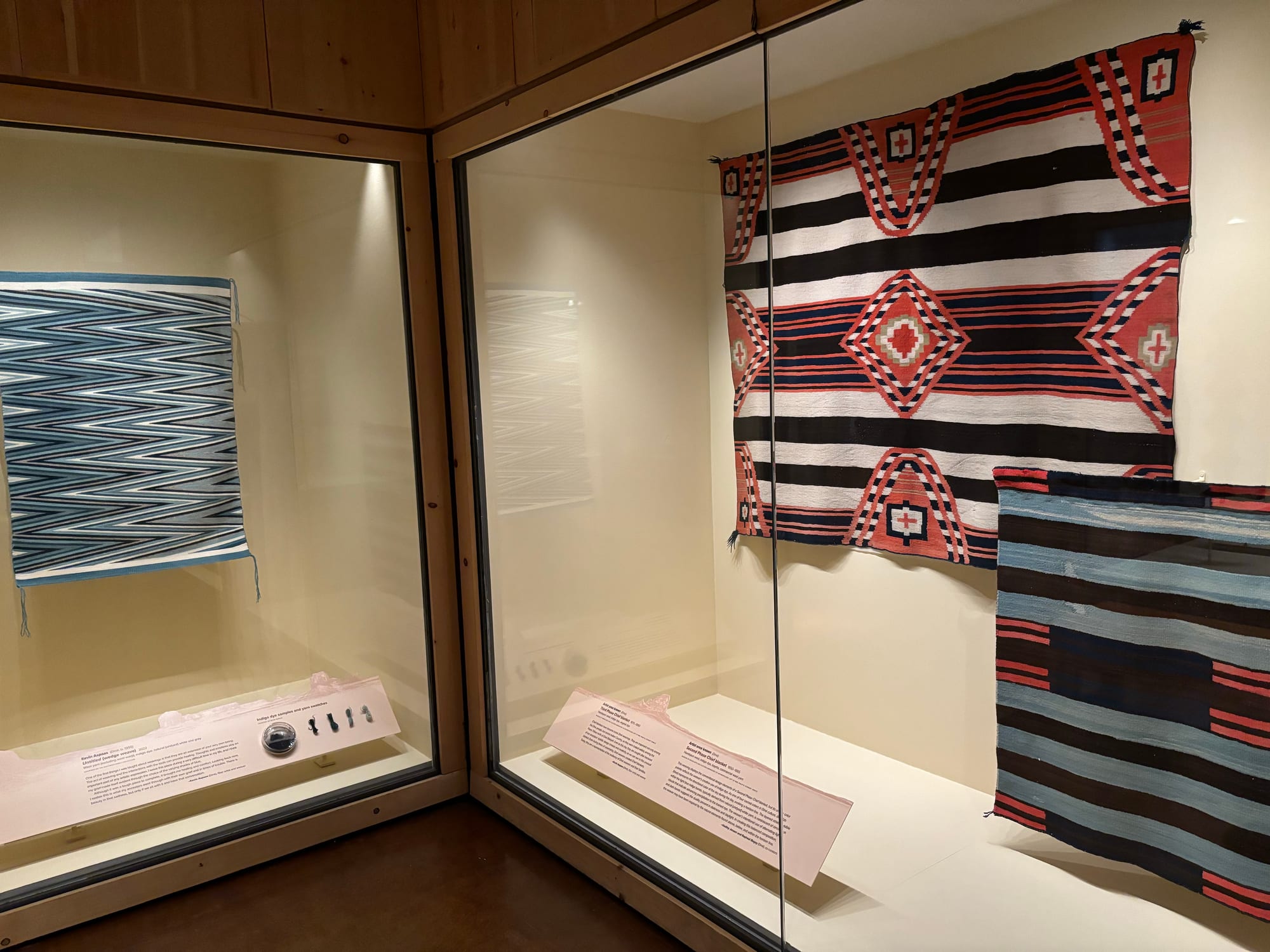
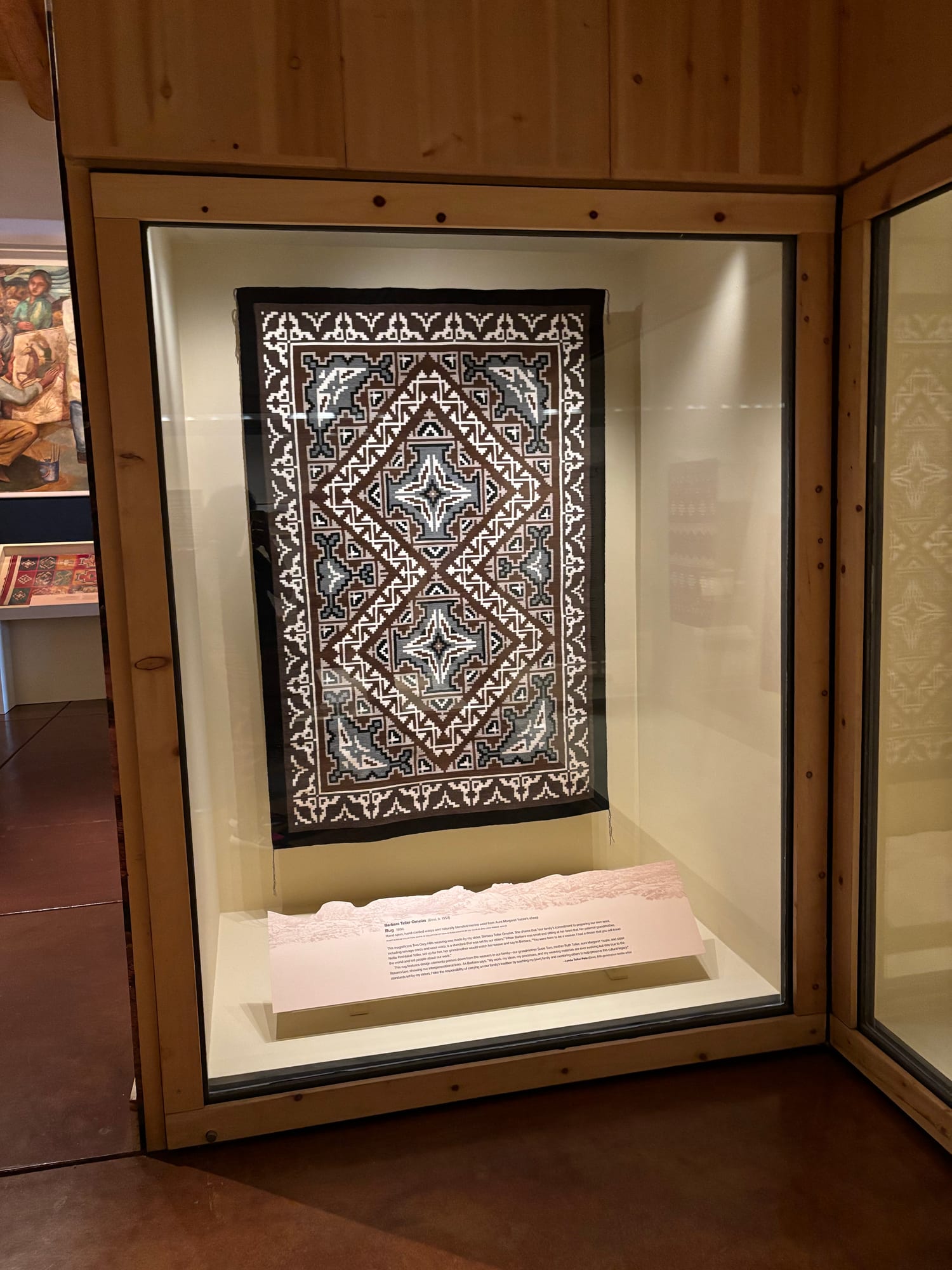
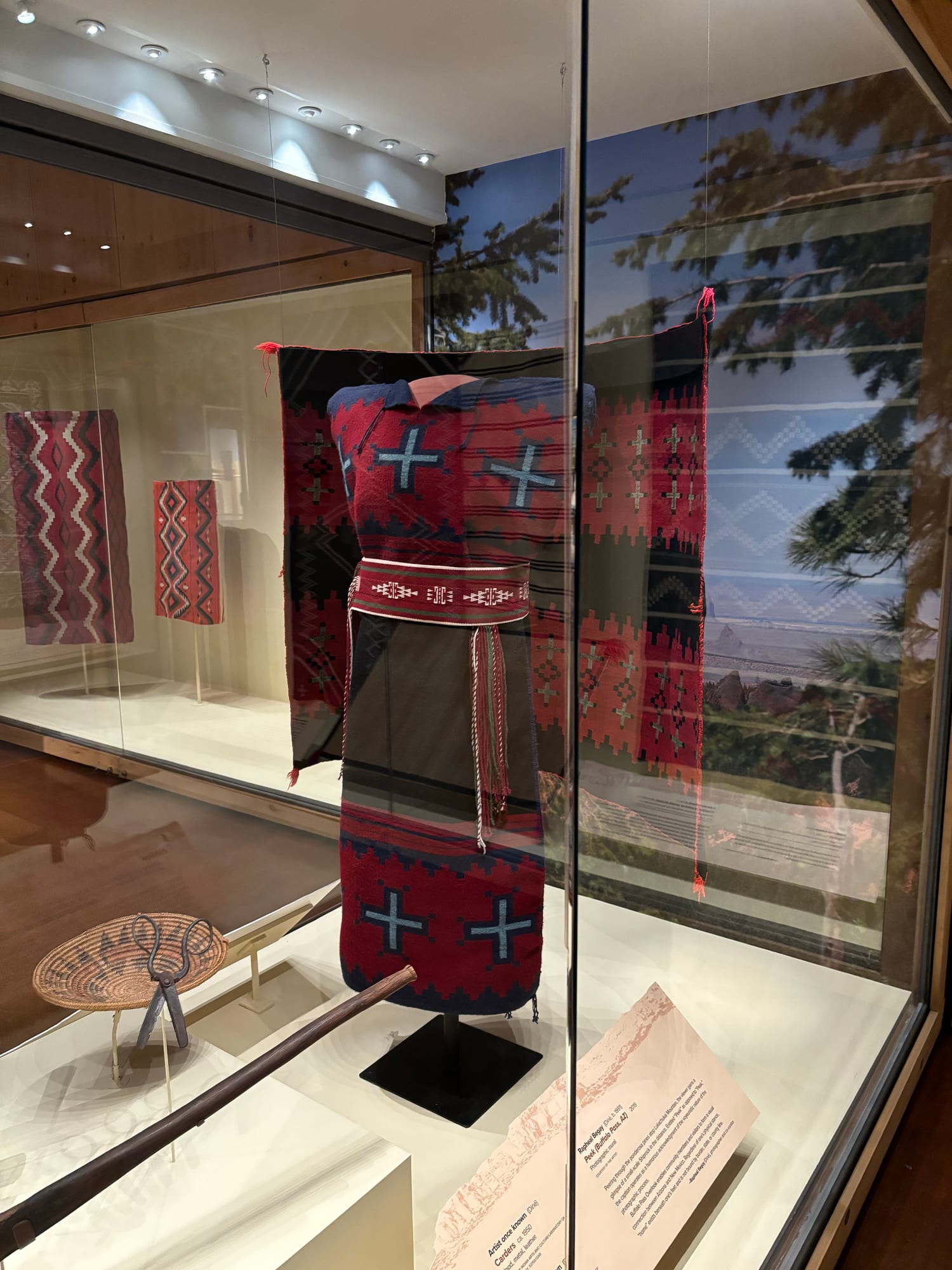
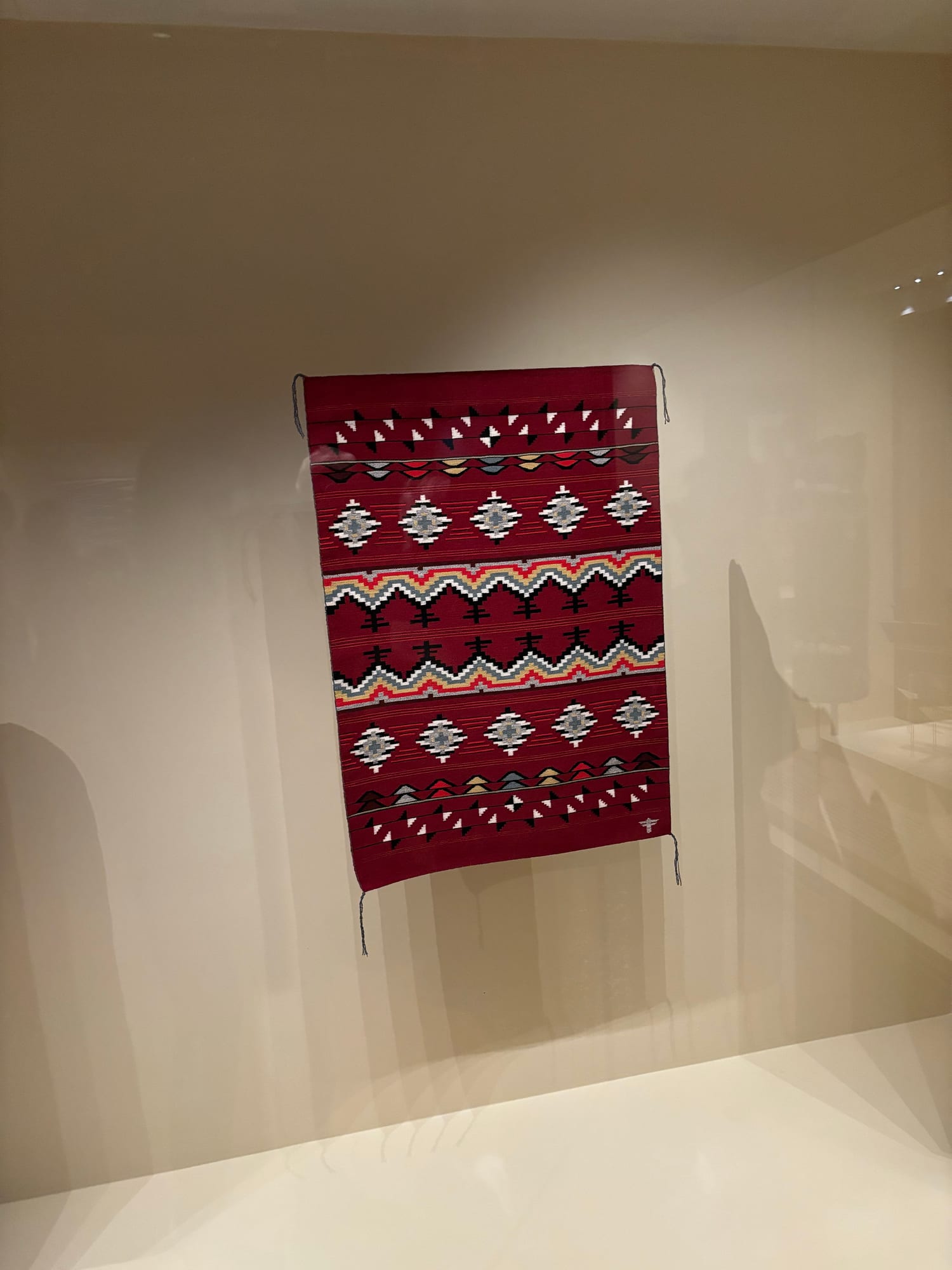
We then went to check out the weaving section. Again, originally, these were utilitarian with blankets and clothes serving a purpose. Some cool learnings from the docent in this section:
- Every weave has three parts to it - Father Sky, the horizon, and Mother Earth. After she told us this, we looked at each weaving differently.
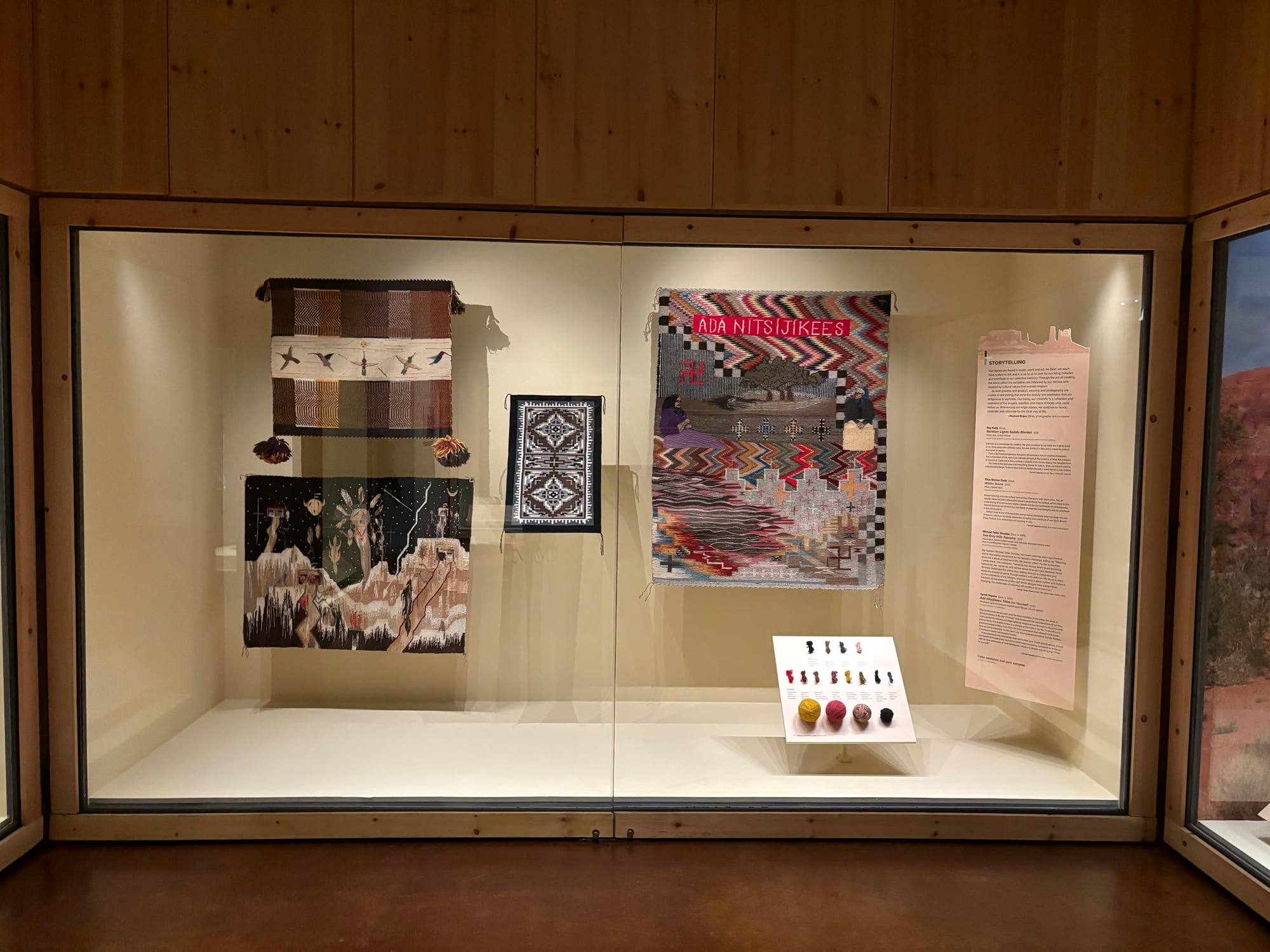
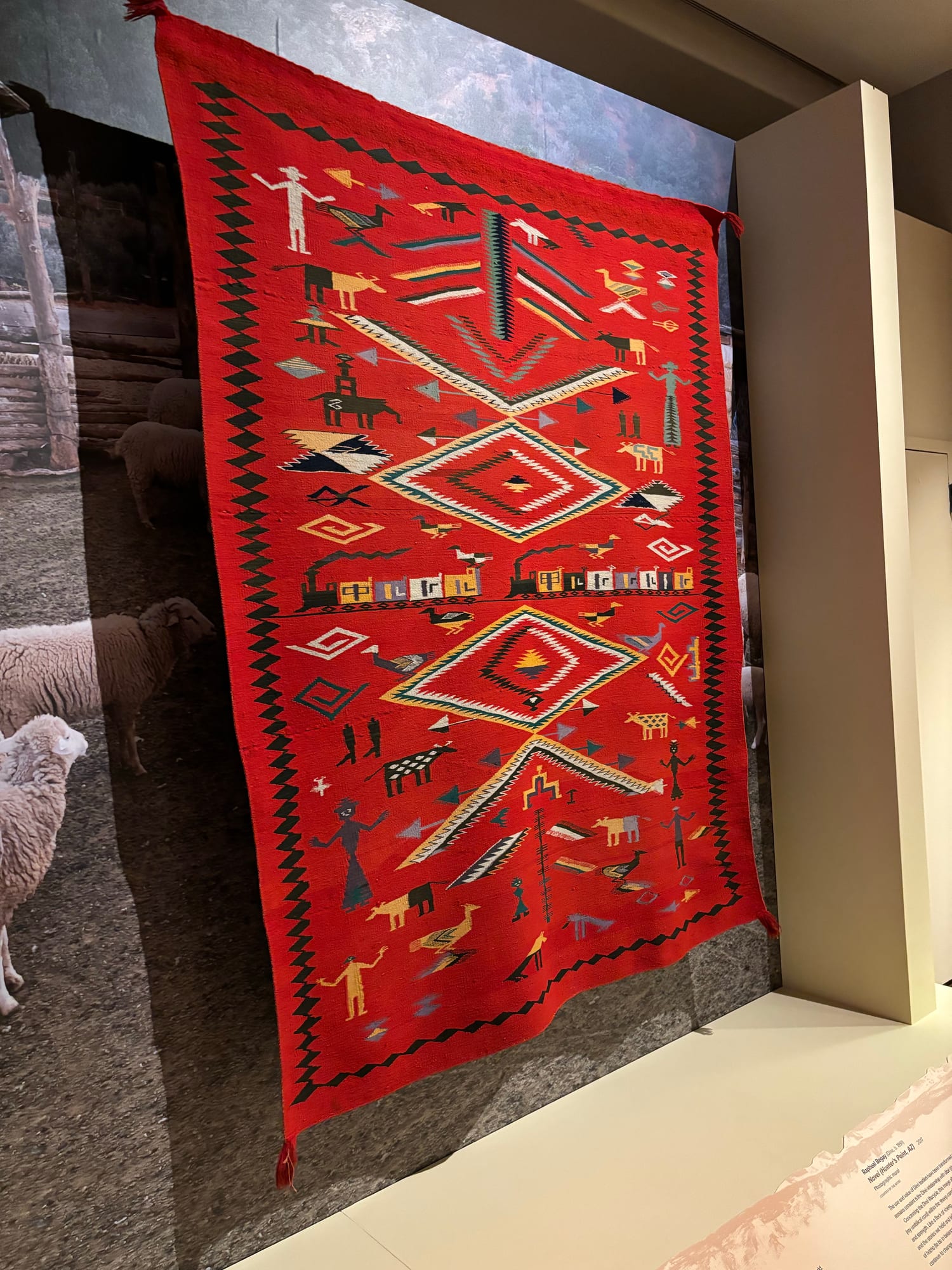
- Each weaving tells a story and reflects what the weaver was feeling at the time. The story could be an origin story or a story about their strife during colonization, slavery, or forced conversions. It could be a story of the past, the present or the future.
- They worked closely with nature. The crosses you see in the weavings are called spider woman crosses. These are prominent. It signifies how spiders weave their webs.
- The weavings have symmetry and asymmetry simultaneously.
- Everything has a purpose. Weavers don't run out of yarn so any color or dye change has a purpose. They create their own dyes.
- They never followed a pattern or even a drawing. Everything comes fluidly as they weave.
Below is just a sampling of the wonderful weaves on display.
I will end this post with what was posted on the final display we saw. Here, now, and always - signifying that life is cyclical and has no real beginning or end. It left me feeling philosophical as we continued our journey down to Carlsbad (after stopping for some delicious chocolate tasting on the way) so we can check out some caverns tomorrow.
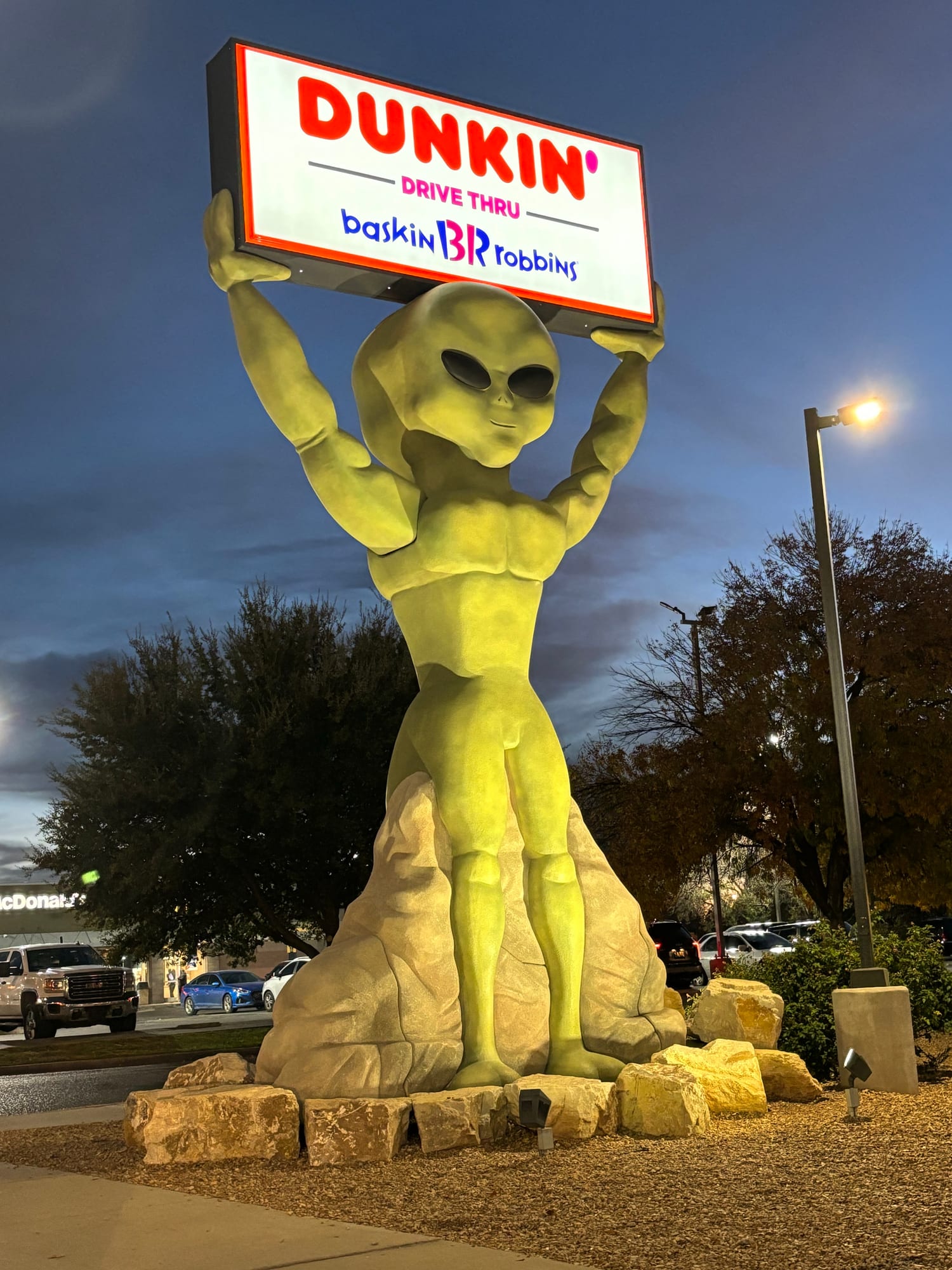
P.S. We did stop at Roswell along the way to check out alien craze (if you have watched the Roswell show, you will get it).
Comments